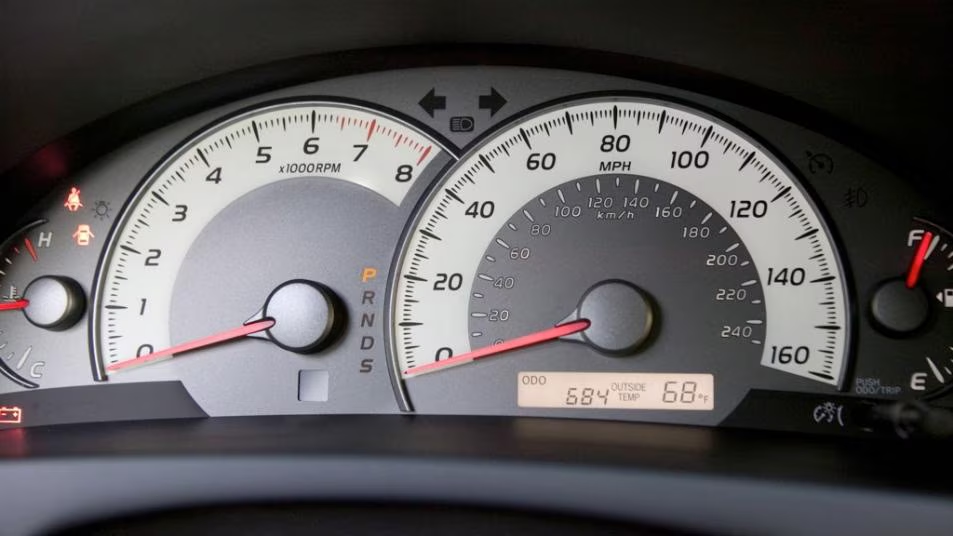
Introduction:
Mileage is a significant factor influencing the value of a used car. It’s often one of the first things buyers consider when browsing listings, and for good reason. Higher mileage generally indicates more wear and tear on the vehicle’s components, potentially leading to increased maintenance costs and a shorter lifespan. However, mileage isn’t the only factor to consider. This article will delve into the complex relationship between mileage and used car value, exploring how it interacts with other factors like age, condition, and maintenance history. We’ll provide insights into how to assess the true impact of mileage and make informed decisions when buying or selling a used car.
1. The Obvious Impact: Wear and Tear
The most straightforward impact of mileage on used car value is the correlation with wear and tear. The more miles a car has accumulated, the more its components have been used and stressed. This can lead to a greater likelihood of needing repairs or replacements for parts like the engine, transmission, brakes, suspension, and exhaust system.
Higher mileage cars are also more likely to have experienced more exposure to the elements, potentially leading to rust, corrosion, and fading of the paint and interior. The seats may be worn, the carpets stained, and the dashboard cracked. All of these factors contribute to a decrease in the car’s overall value.